Digital Signal Processing and Converter Architecture
- DAC Chip: It utilizes the ESS Sabre ES9028PRO architecture, featuring advanced noise and THD (Total Harmonic Distortion) compensation algorithms.
- Converters Per Channel: To maximize the signal-to-noise ratio (S/N), there are 4 sigma-delta D/A converter cores operating in parallel per audio channel.
- Jitter Suppression: Multiple digital signal reclocking schemes are combined to provide an ultra-high level of jitter attenuation.
Digital Inputs and Supported Formats
The device features a total of 3 independent digital stereo input lines:
- USB (Type-B): Directly accepts digital audio streams from computers, tablets, or mobile phones.
- Supported PCM Frequencies: 44.1, 48, 88.2, 96, 176.4, 192, 352.8, and 384 kHz (up to 24-bit resolution).
- Supported DSD Formats: DSD64 and DSD128.
- S/PDIF and AES/EBU Inputs (Toslink or RCA): Limited to a maximum signal processing threshold of 192 kHz / 24-bit.
Analog and Digital Outputs
Analog Outputs
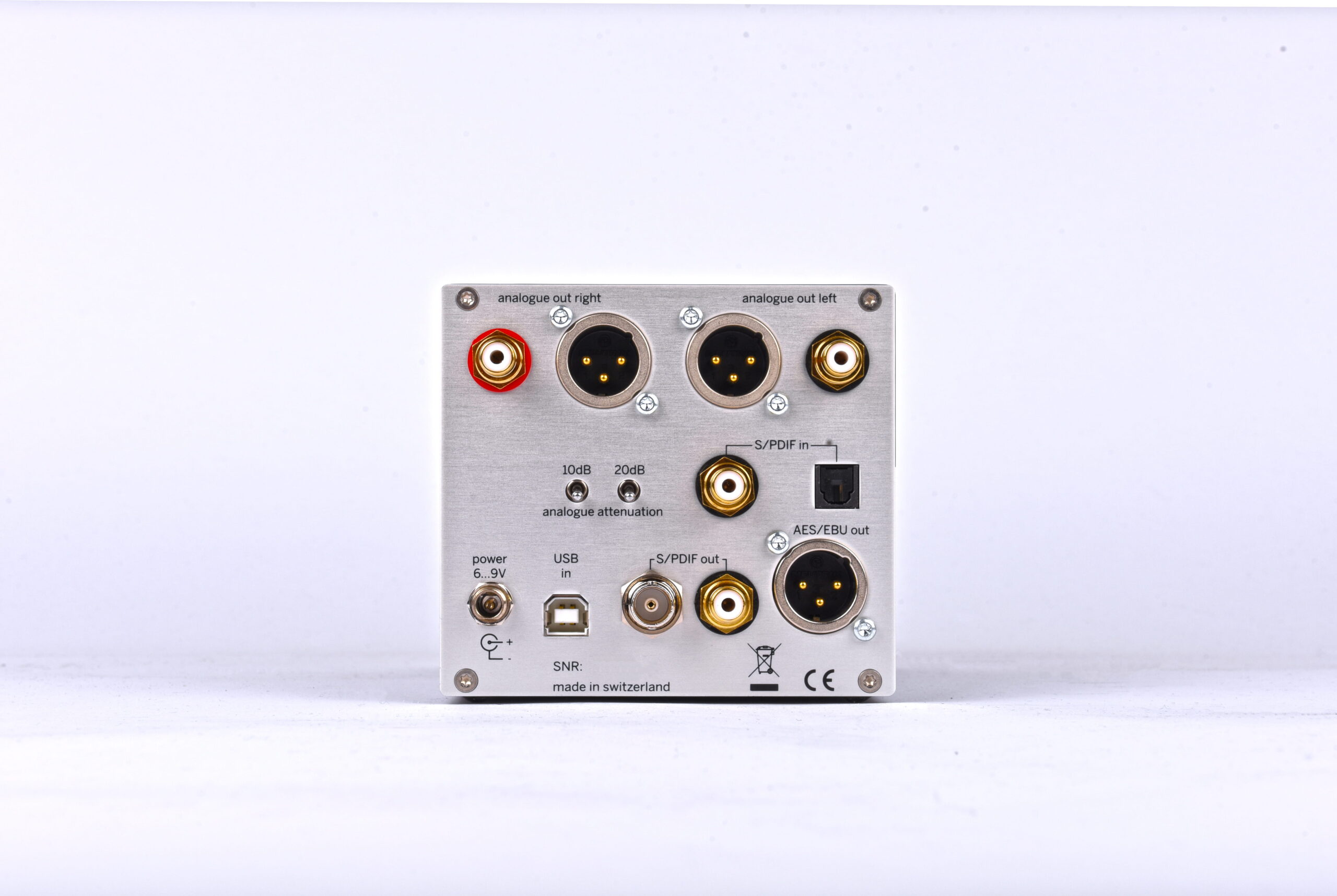
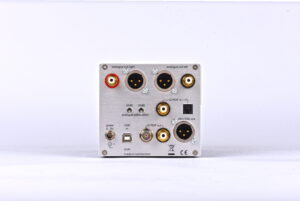
- 1 x Balanced Stereo Output (XLR): Features a 6dB higher output level compared to the RCA output.
- 1 x Unbalanced Stereo Output (RCA).
- Output Impedance: A near-zero-ohm impedance value exclusive to the MK2 version, offering stability even with demanding or long cable runs.
Digital Outputs (DDC Format Converter Mode)
- To convert incoming signals from the USB input into other digital formats, the rear panel offers 3 different digital outputs in AES/EBU format: XLR, RCA, and BNC connectors.
Front and Rear Panel Controls
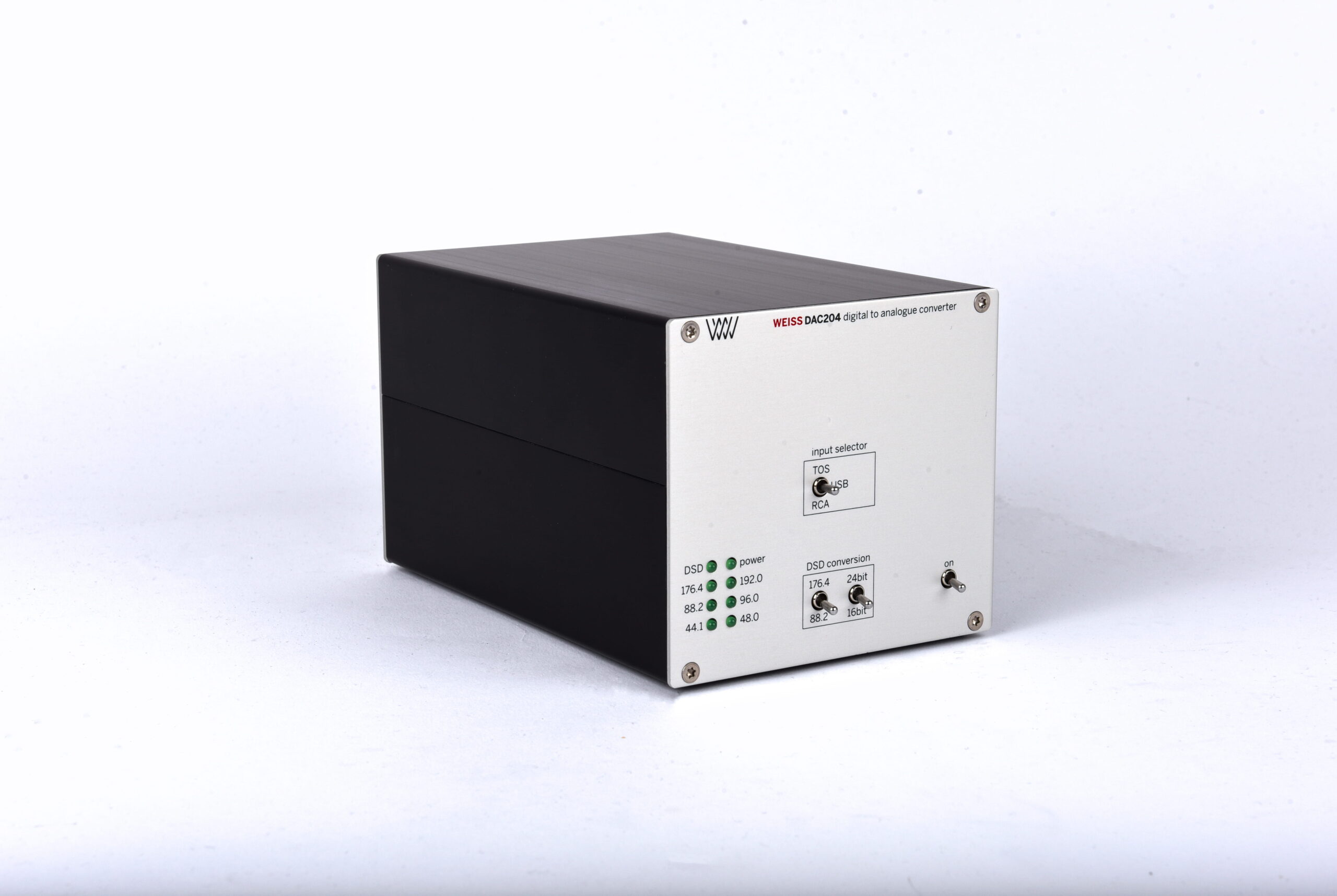
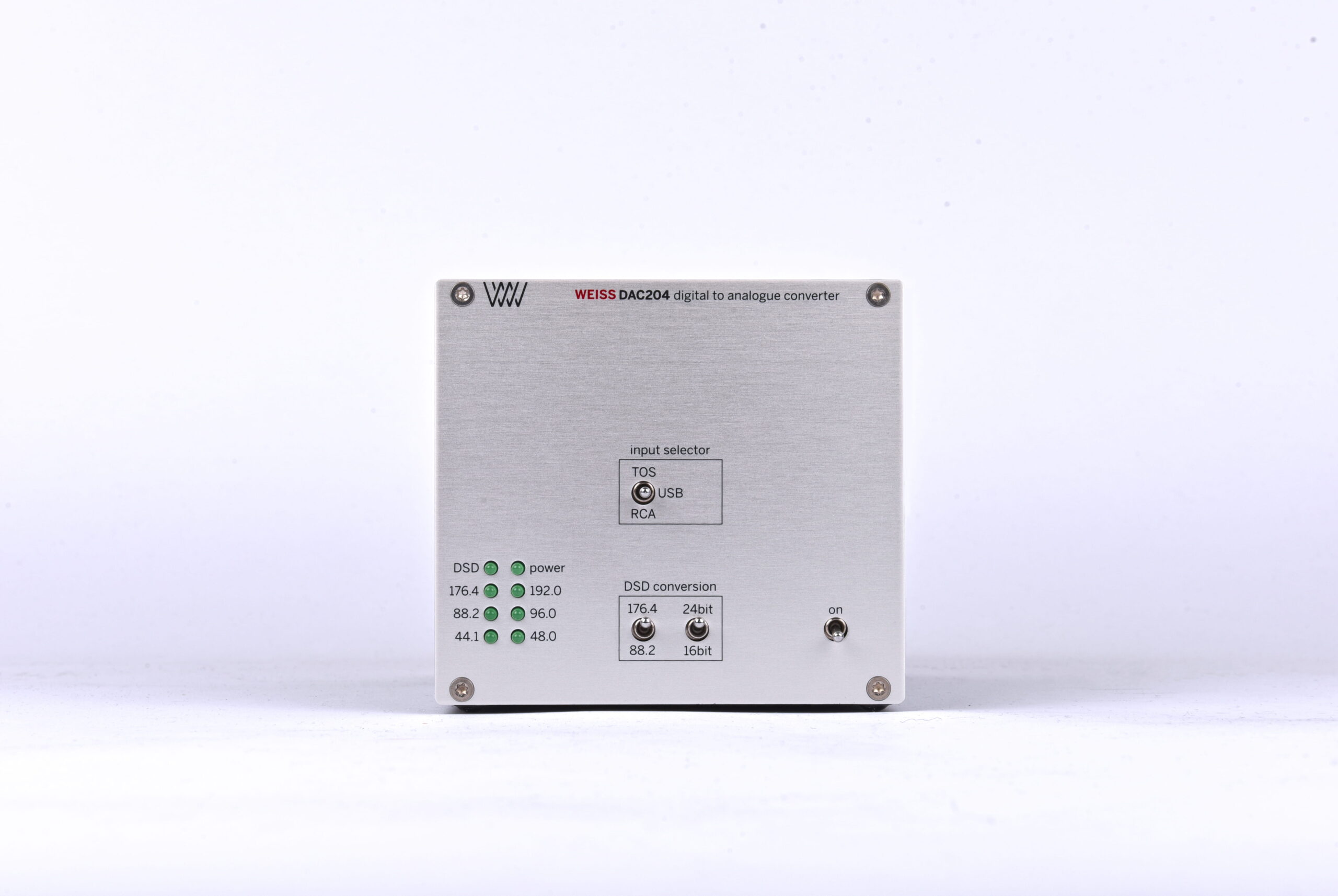
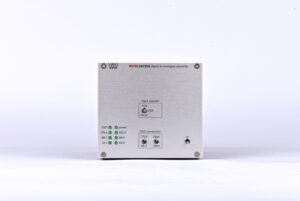
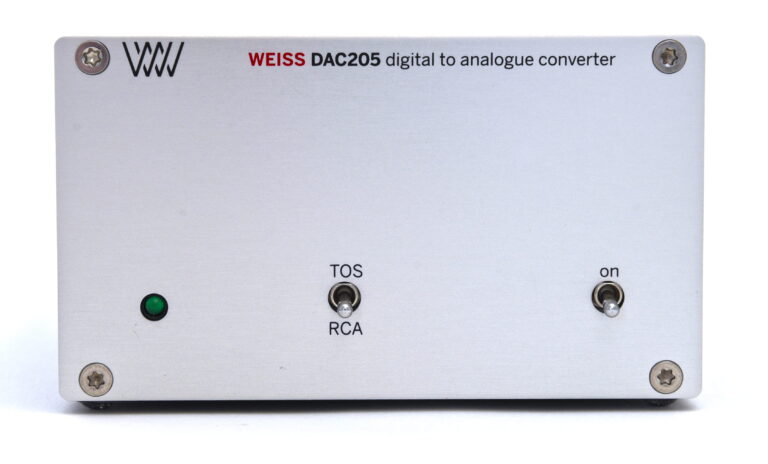
- Input Selector: A physical switch on the front panel that toggles between USB, Toslink, or RCA inputs.
- Front Panel LED Indicators: A bank of 8 status LEDs that instantly display the sampling frequency of the incoming audio from the USB input.
- DSD-to-PCM Switches: Two front-panel switches allow you to manually configure the PCM sampling frequency and output word-length for the converted DSD data.
- Analog Output Level Adjustment: Thanks to two toggle switches on the rear panel, the output voltage level can be attenuated in 10dB steps across 4 distinct stages.
- XLR Voltage Range: Between 0.23V and 7.5V at a 0dBFS signal.
- RCA Voltage Range: Between 0.115V and 3.75V at a 0dBFS signal.
Power Solution and Physical Dimensions
- Power Requirement: Powered by an external power adapter operating between 6V and 9V DC (a standard adapter is included in the box).
- Power Regulation: All sensitive voltage rails inside the device feature their own independent linear regulators. This completely safeguards the analog output signals against digital noise and cross-talk between channels.
- Power Consumption: 5.4W on average.
- Chassis Dimensions: Width: 10.5 cm | Height: 6.0 cm | Depth: 16.5 cm.